Read Medcrypt perspectives on FDA expectations, vulnerability management, cryptography, SBOMs, and the security decisions shaping connected medical devices.
In the fast-paced and ever-changing landscape of medical technology, staying compliant with regulations is critical. On March 29, 2023, the amendment to the Food, Drug & Cosmetic Act (FD&C), referred to as the “PATCH…
According to FDA “cyber device” Refuse to Accept (RTA) guidance, Medical Device Manufacturers (MDMs) have less than 6 months to ensure they are able to generate and maintain requisite documentation for their premarket…
What FDA requires in a medical device SBOM for 510(k), De Novo and PMA: the required fields, SPDX or CycloneDX, support dates, and what reviewers flag.
The recent FDA “cyber device” Refuse to Accept (RTA) guidance will be enforced starting October 1, 2023. This guidance indicates that manufacturers need to address cybersecurity throughout the product lifecycle,…
Starting October 1st 2023, the FDA will begin to reject submissions that don’t detail cybersecurity measures including, for example, plans for how to to address postmarket vulnerabilities, a strategy for disclosure of…
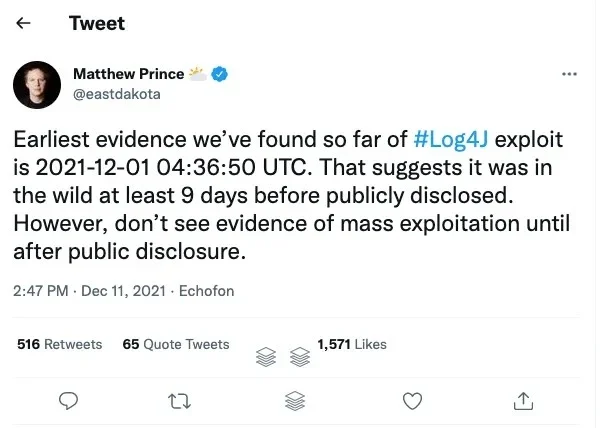
How medical device makers use an SBOM after generating it: finding vulnerabilities, tracking open source licenses, and responding to issues like Log4Shell.
Today the FDA has issued a new final guidance on the Refuse to Accept (RTA) policy relating to cybersecurity in medical devices, specifically for “Cyber Devices” as defined in the newly-amended FD&C Act (Section 524B).…
We'd like to use analytics cookies from Google Analytics to understand how the site is used, and
advertising cookies from Google Ads and LinkedIn Insight Tag to measure our advertising. They stay off
unless you turn them on. You can change your choice any time from Cookie settings in the footer.
Privacy policy