FDA cybersecurity requirements for medical devices

Every FDA cybersecurity requirement, from design to inspection

Section 524B of the FD&C Act is the law for cyber devices. FDA's guidance, eSTAR, review and QMSR inspections decide how you prove you meet it. Here is what each one asks for, and where to go deeper.

The short answer

If your device includes software, can connect to the internet and could be vulnerable to cyber threats, FDA treats it as a cyber device. Section 524B of the FD&C Act then requires a vulnerability plan, update and patch processes, and an SBOM in your premarket submission.

FDA's guidance sets how to document that work. eSTAR and review check it before clearance, and QMSR inspections check the processes after it.

Key dates

  1. 2023
    • Section 524B takes effect for cyber devices

      Read Section 524B
    • eSTAR becomes mandatory for 510(k) submissions

      About eSTAR
  2. 2024
    • FDA finalizes PCCP guidance for AI-enabled devices

      About PCCPs
  3. 2025
    • eSTAR becomes mandatory for De Novo requests

      About eSTAR
  4. 2026
    • QMSR inspections replace QSIT

      About QMSR
    • Final premarket cybersecurity guidance, aligned with QMSR

      Read the guidance

What FDA requires at each stage

Each requirement below is a summary. Follow its links for the detail.

Design: build security into the device

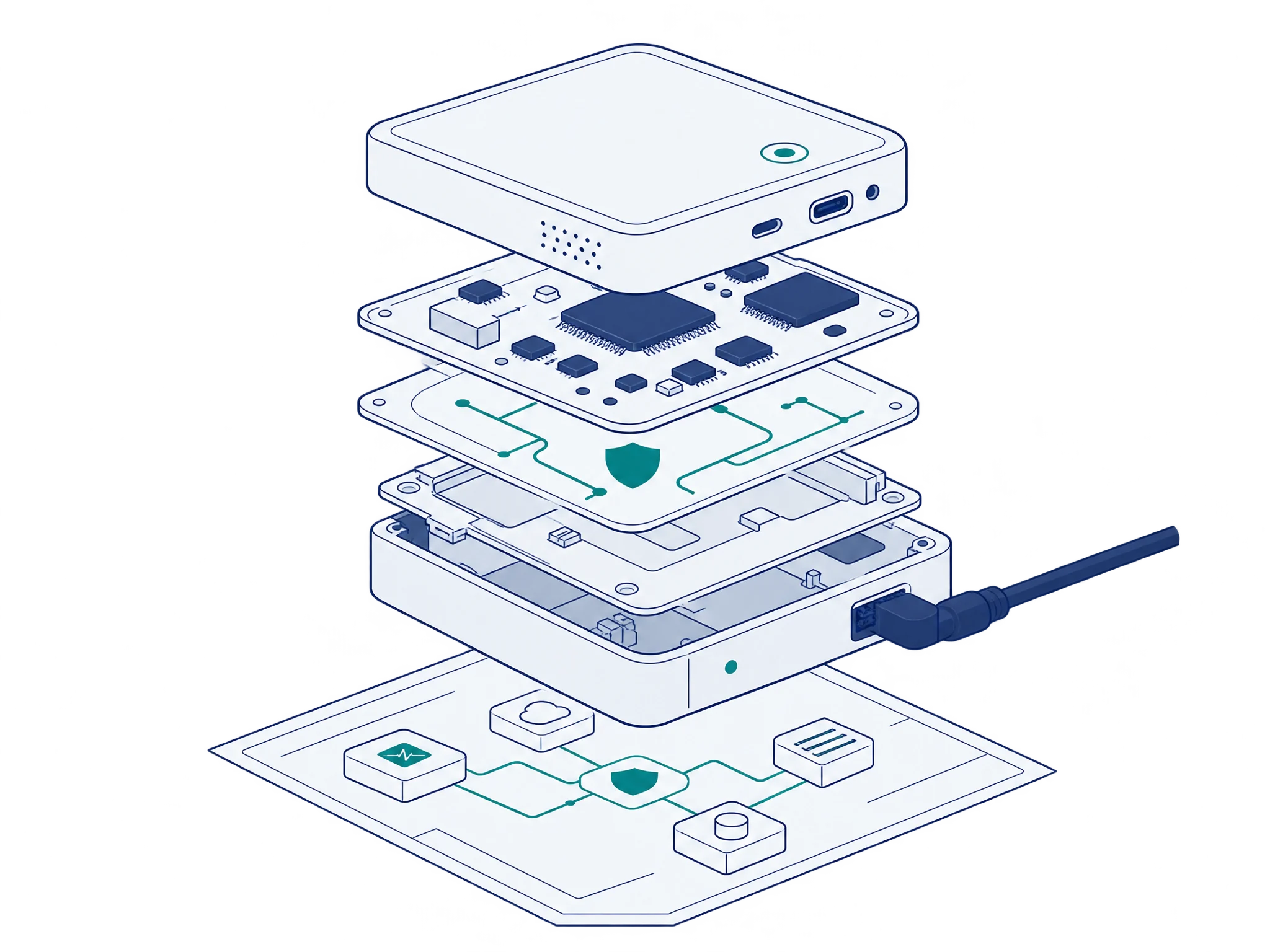
Exploded view of a connected medical device above a threat model diagram

FDA premarket cybersecurity guidance

FDA final guidance, February 2026

Cybersecurity in Medical Devices: Quality Management System Considerations and Content of Premarket Submissions sets how FDA expects cybersecurity to be built and documented. Medcrypt breaks it into 31 categories, from quality system procedures to firmware update signing.

  • A secure product development framework that covers the whole device lifecycle
  • Threat modeling and a security risk assessment, kept separate from safety risk
  • Security testing, including penetration testing

Submit: file what the law requires

Submission documents and a checked folder going into a submission tray

Section 524B of the FD&C Act

Law, in effect since March 29, 2023

524B applies to any cyber device: one that includes software, can connect to the internet, and could be vulnerable to cybersecurity threats. Every 510(k), PMA, De Novo, PDP and HDE submission for one must include these items, plus anything else FDA requires by regulation.

  • A plan to monitor, identify and address vulnerabilities, including coordinated vulnerability disclosure
  • Processes for regular and out-of-cycle updates and patches
  • A software bill of materials covering commercial, open-source and off-the-shelf components

eSTAR and technical screening

Required for 510(k) and De Novo

eSTAR is FDA's electronic submission template. It has been mandatory for 510(k) submissions since October 1, 2023, and for De Novo requests since October 1, 2025, unless the submission is exempt.

  • The form won't submit until every required cybersecurity field has an attachment
  • A technical screening hold gives you 180 days to send a complete replacement
  • Passing screening does not mean passing review

Review: answer FDA's questions on time

A submission document under a magnifying glass beside an hourglass

Additional information requests

FDA substantive review

Most cybersecurity gaps surface in review, not screening, as an additional information request. The clock starts on the day FDA sends it.

  • For a 510(k), you have 180 days from the date of the request
  • If you miss the deadline, the submission is considered withdrawn

On the market: run the plan you filed

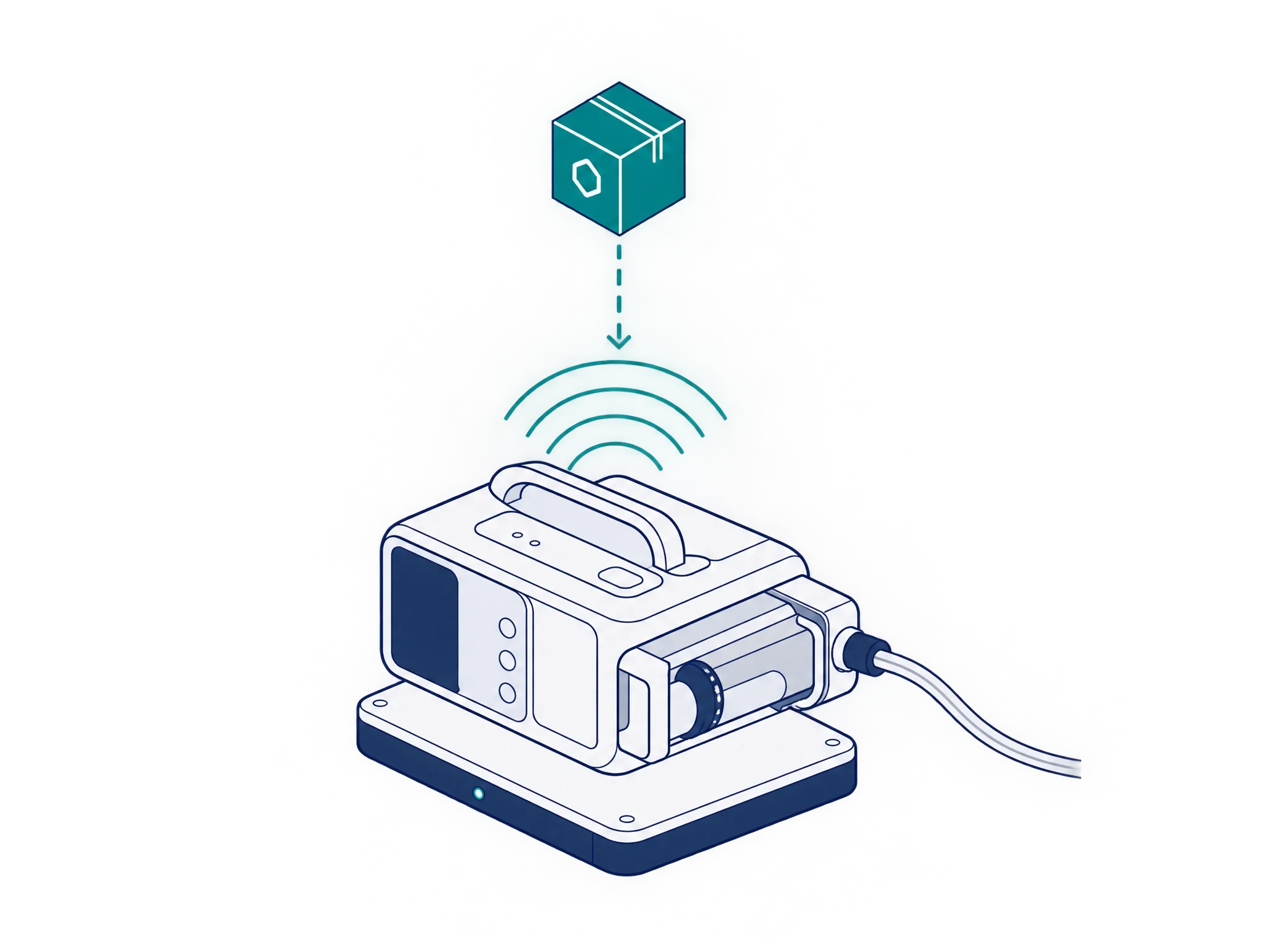
A connected infusion pump receiving a software update package

Postmarket cybersecurity

Section 524B(b)(1) and (b)(2)

Clearance starts the postmarket work your submission promised. FDA's postmarket guidance dates from 2016 and predates 524B, so Medcrypt recommends treating your 524B postmarket plan as the controlling document.

  • Monitor for new vulnerabilities, using your SBOM
  • Run a coordinated vulnerability disclosure process
  • Patch known unacceptable vulnerabilities on a reasonably justified regular cycle, and critical ones as soon as possible out of cycle

Inspection: show the processes behind the paperwork

A checklist clipboard next to quality system binders and a file drawer

QMSR inspections

In effect since February 2, 2026

FDA retired its QSIT inspection approach and now inspects under the Quality Management System Regulation, which incorporates ISO 13485:2016 by reference.

  • For cyber devices, inspectors review your processes against Section 524B(b)(2)
  • Cybersecurity records belong inside your quality system, not next to it

Changes: assess every modification

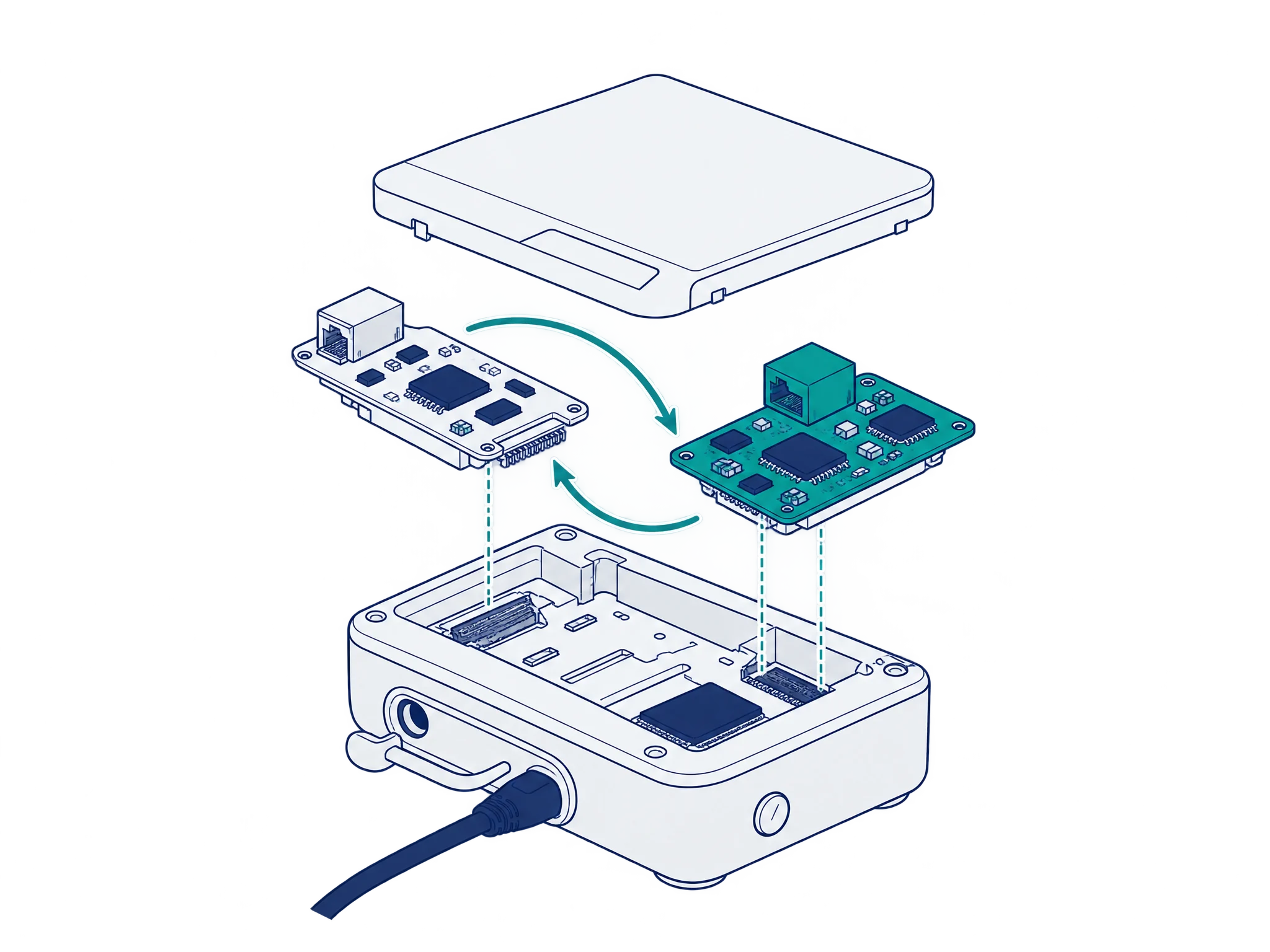
A device enclosure with one circuit module swapped for a new one

Device changes and PCCPs

FDA guidance

Changes to a cleared device should be assessed for cybersecurity impact, and the SBOM and risk documentation updated, even when no new submission is required.

  • A predetermined change control plan, or PCCP, lets you pre-authorize certain changes
  • FDA finalized PCCP guidance for AI-enabled devices in December 2024. The general version is still a draft
  • A PCCP does not cover new vulnerabilities

Legacy devices

Devices already on the market

524B applies when a device is submitted for market introduction or modified in a way that requires a new submission. Devices already on the market still fall under FDA's quality system and risk management expectations.

  • The 2026 guidance expects a plan for components that reach end of support, including telling customers
  • Medcrypt recommends running the same postmarket processes across your legacy fleet

FDA cybersecurity requirements FAQs

Find out what FDA reviewers would flag.

Book 30 minutes with a Medcrypt expert. We'll look at where your device stands against these requirements and what to fix first.

Book a free security review